Wear is not the problem on a mine site. Every machine wears, and everyone knows it. The problem is the surprise: the liner that gives out on a Tuesday night, the bucket that comes in with no parts staged, the swap that was supposed to take a shift and takes three days. The same job done on your schedule costs a fraction of the same job done on the machine's.
Unplanned wear is the expensive kind
A forced changeout stacks cost on top of the part. The machine stops producing, crews get pulled off other work, parts get rushed in, and the repair gets done under pressure. A planned changeout does the same work with the machine parked, the parts on the ground and the crew ready. Most of the savings in wear management come from moving swaps from the first kind to the second.
Know your wear rate before the plate tells you
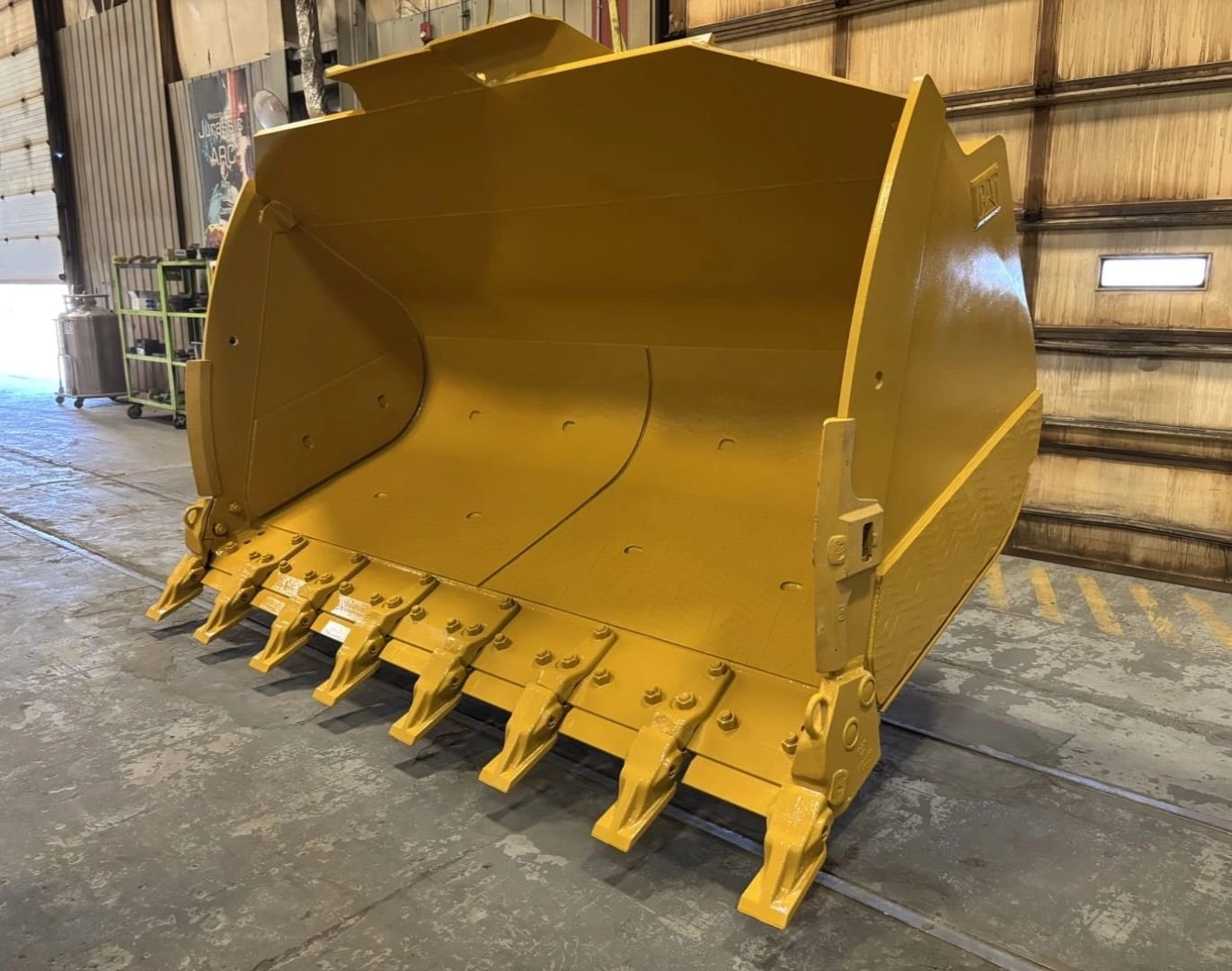
Every wear surface has a story. A bucket lip, a chute floor or a truck body liner loses material at a rate that depends on what is moving across it and how hard. If you measure the same spots at regular intervals and write the numbers down, the swap date stops being a surprise. You can see it coming weeks ahead.
The interval depends on the machine and the material. A surface that wears fast gets looked at more often. One that wears slowly can wait. What matters is that the same spots are checked the same way every time, so the trend is real.
Put the swap on the calendar
Once you know roughly when a liner will reach its limit, the work can be scheduled into a shutdown or a planned service window you already have. The crew is booked, the machine is already down and nobody is making decisions at two in the morning. The best liner swap is the one you picked three weeks ago, and it is the kind of job we like to GSD® best: nobody rushing, nobody cutting a corner to make up time.
Make the liner fit the machine
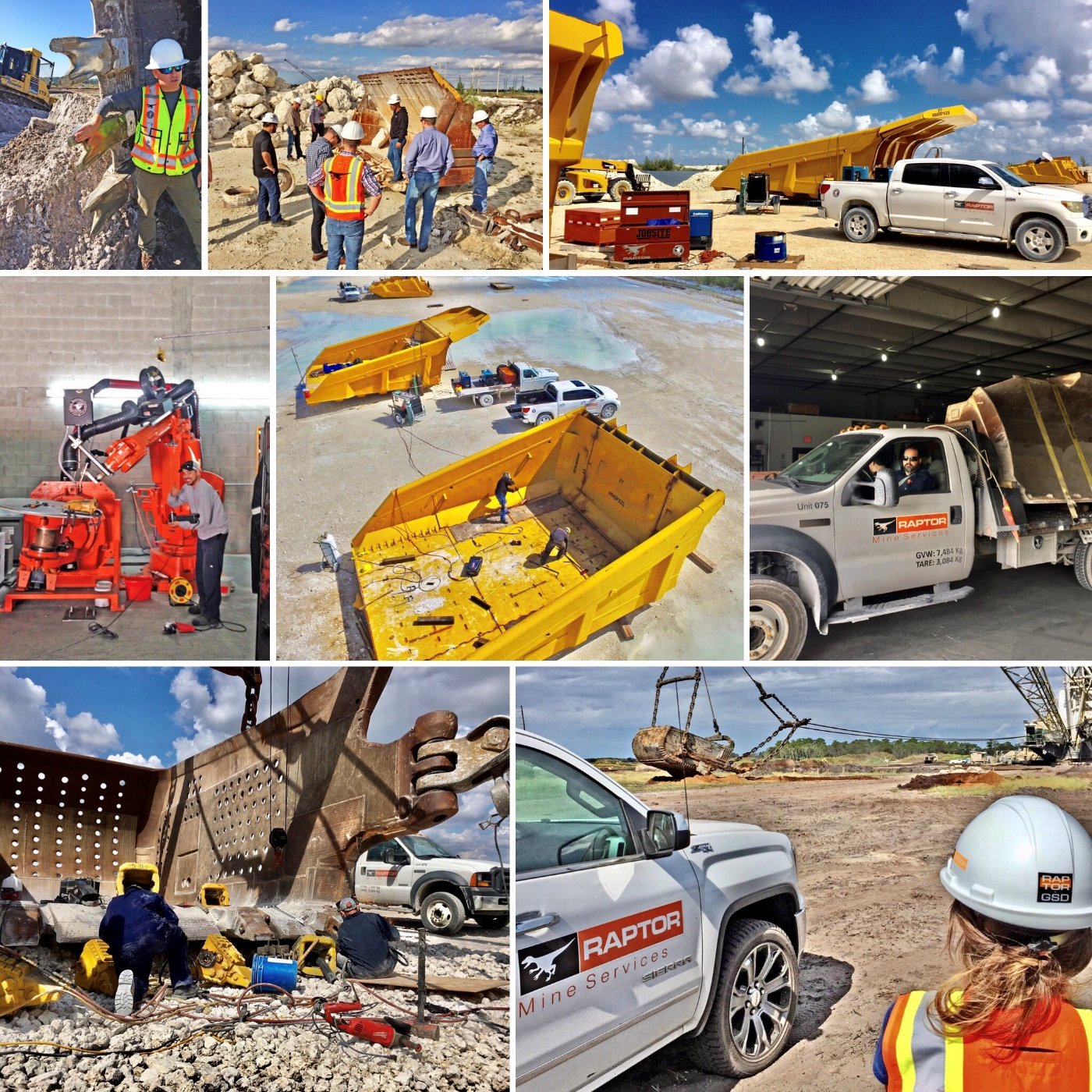
A liner that has to be trimmed, reworked or re-welded on site eats the downtime you just planned around. We scan where the job allows it so the liner is fabricated to the actual surface and not a drawing that drifted from the machine years ago. Fit is what turns a planned swap into a short one.
Shop prep matters as much as site work. Liners that arrive formed, checked and ready to weld go in faster, and the weld quality is easier to control on a surface that was shaped to match.
Choose wear protection by what is hitting it
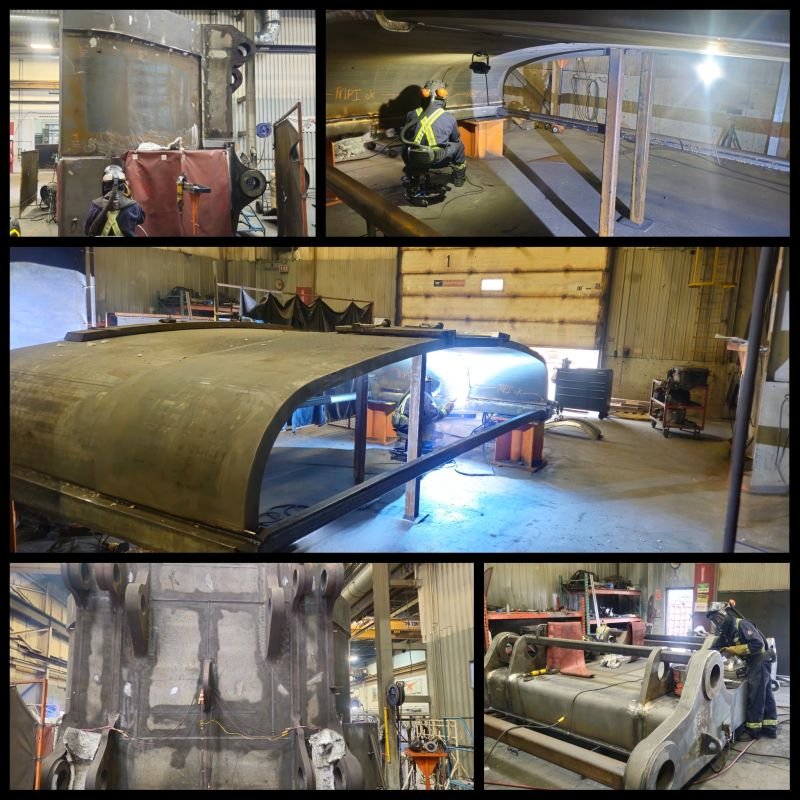
Abrasion, impact and sliding wear each call for something different. The right plate for a chute taking fine abrasive material is not the right plate for a bucket taking heavy impact. When the material matches the duty, the liner lasts longer, and every extra cycle you get out of it removes a whole round of inspection, downtime and labour. We cover how that plays out at remote operations in our post on relining costs at remote mines, and you can see a real long term result in our Yukon case study. Our RaptorPlate® product page covers the plate itself.
Get parts to the machine before it stops
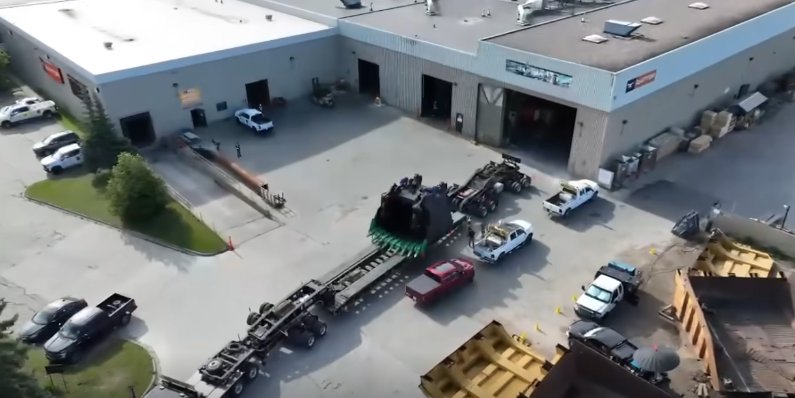
Logistics is where planned swaps most often fall apart. Plate ordered the week the machine goes down means waiting on fabrication, then waiting on a truck. Plate ordered when the wear trend says the swap is a month out means it is sitting on site when the shutdown starts. The gap between those two cases is usually the whole downtime.
If a part is past its limit but the structure behind it is still sound, it may not need replacing at all. Our guide on repair, rebuild or replace covers how to tell.
Questions maintenance and procurement teams ask about wear downtime
PEOPLE. SAFETY. QUALITY. VELOCITY.