At a remote mine, the price of the liner is the smallest number on the job. Getting people, equipment and a machine ready to swap it is what drives the bill, and every year a liner stays in service is a year you do not pay that bill again.
The cost stack nobody puts on the quote
A liner quote usually shows material and fabrication. A remote relining job carries a lot more, and the extra cost lands on your site budget, not the supplier invoice. Superintendents and procurement teams already know this. It is the argument they make internally when they justify a longer life liner package.
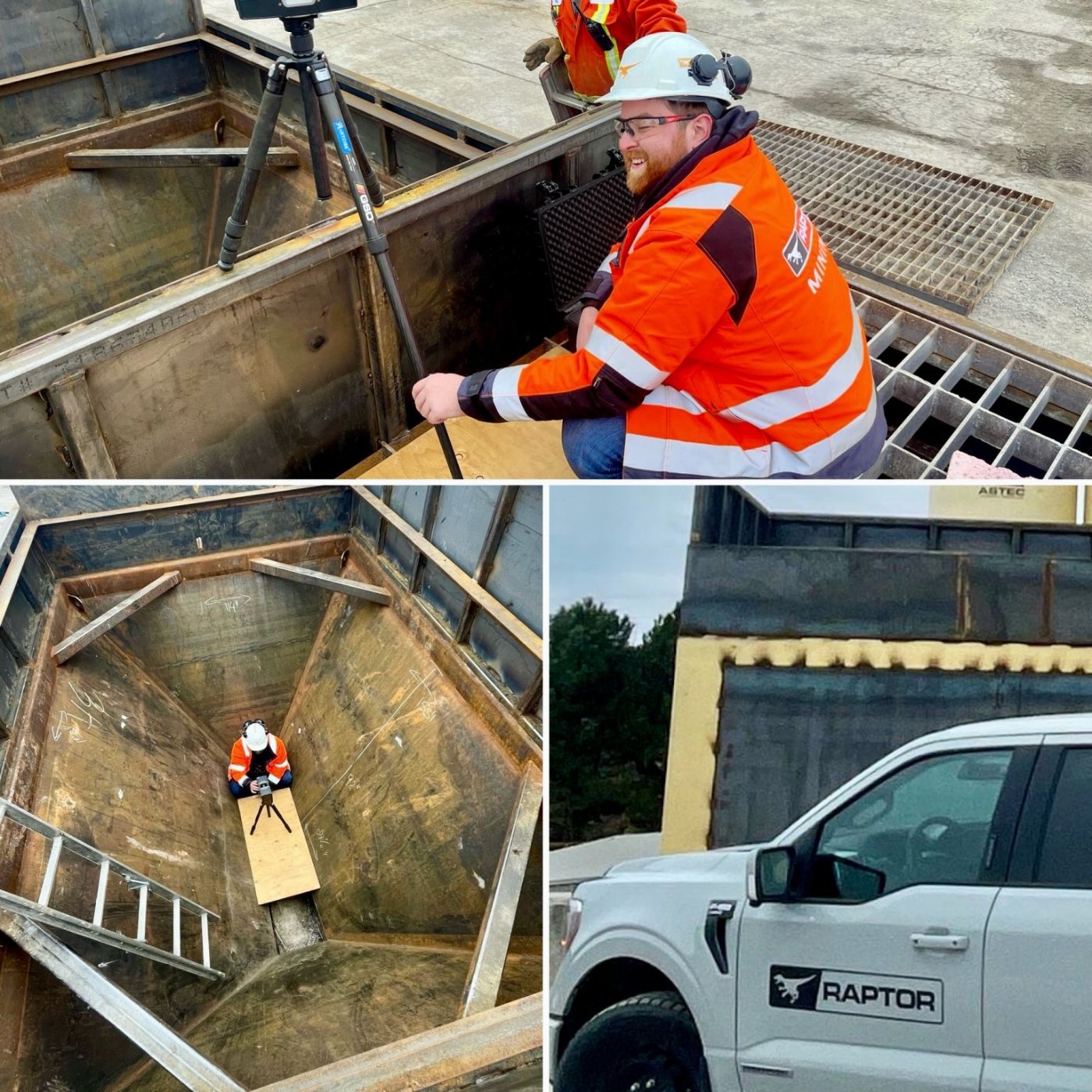
Why the bill grows with distance
Close to town, a liner swap is a shop job with a short drive. Two days of downtime and a local crew is a manageable week. Four hundred kilometres up a gravel road is a different job. Crews have to be housed and fed, parts and heavy gear move on a schedule that depends on road conditions, and the machine you are working on cannot be replaced by a rental on short notice.
That is why a remote operation looks at wear life differently. A liner that lasts a year longer is not a nice extra. It removes an entire mobilization from the calendar.
Fit the liner to the real machine
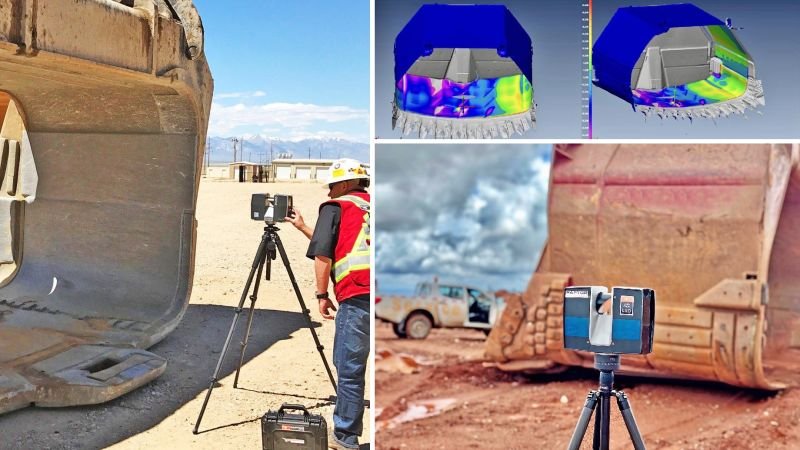
A remote site has little room for a liner that arrives with the wrong fit. Where the job allows it, we scan the bucket or blade before fabrication so the liner is made to the real surface and not a drawing that no longer matches the machine. It is not possible on every job, but where it is, it saves a second trip, and a second trip is the most expensive kind. A second trip is hard to absorb at a remote site, so we aim to GSD® the job once and have the crew home on schedule.
Cold, short windows and wear that does not quit
Northern operations add freeze and thaw cycles, ice and short seasonal windows on top of the abrasion the liner is already fighting. A swap that slips because of weather does not just cost a day. It can push the work past a haul window or into the next shutdown.
Wear plate chosen for the material and the conditions is how you push the next swap further out, so the work happens when you planned it and not when the plate gives out.
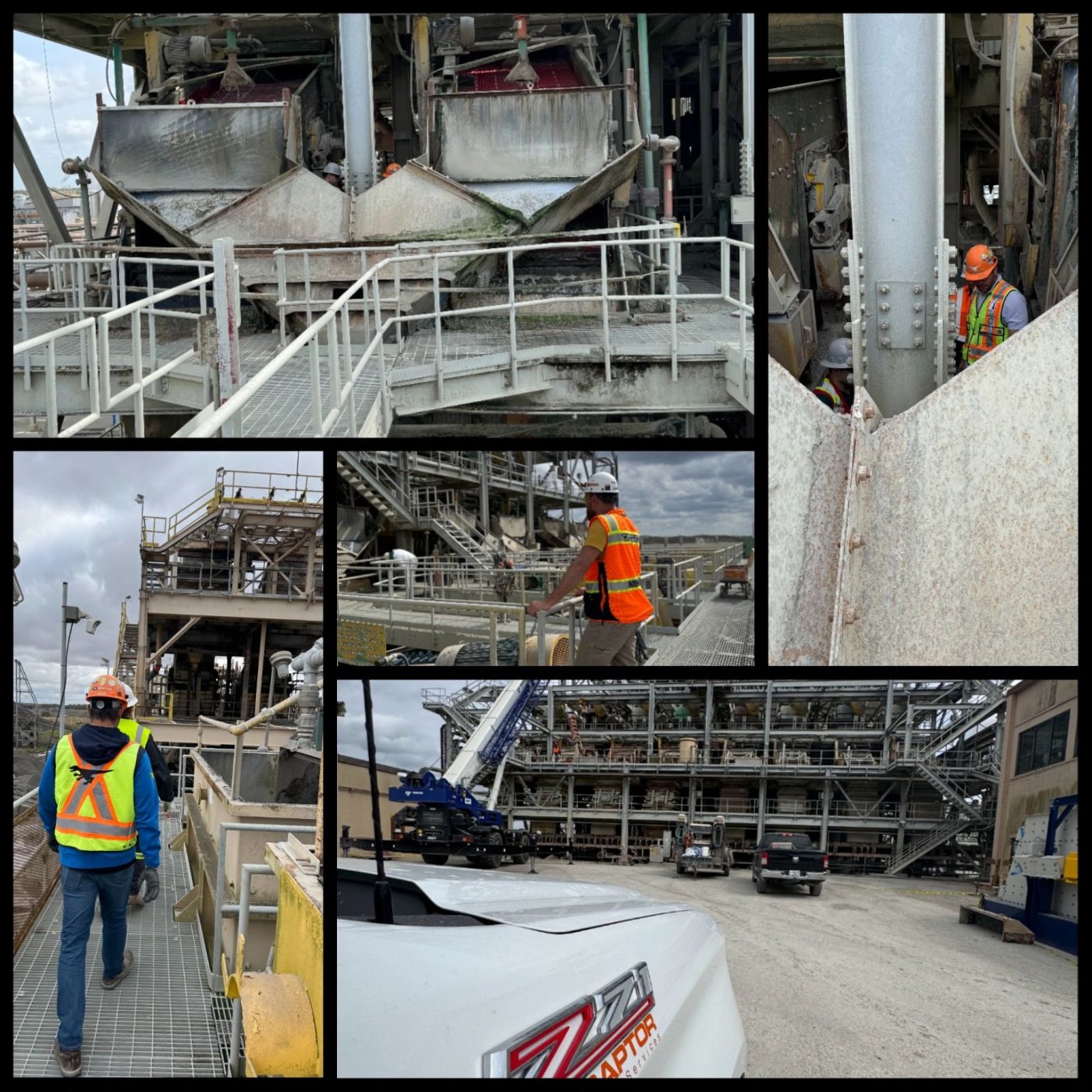
Remote or not, the same logic applies to planning. See how to cut wear-related downtime at a mine site for how inspection, wear tracking and staged parts keep swaps on your schedule.
A liner that stays in service changes the math
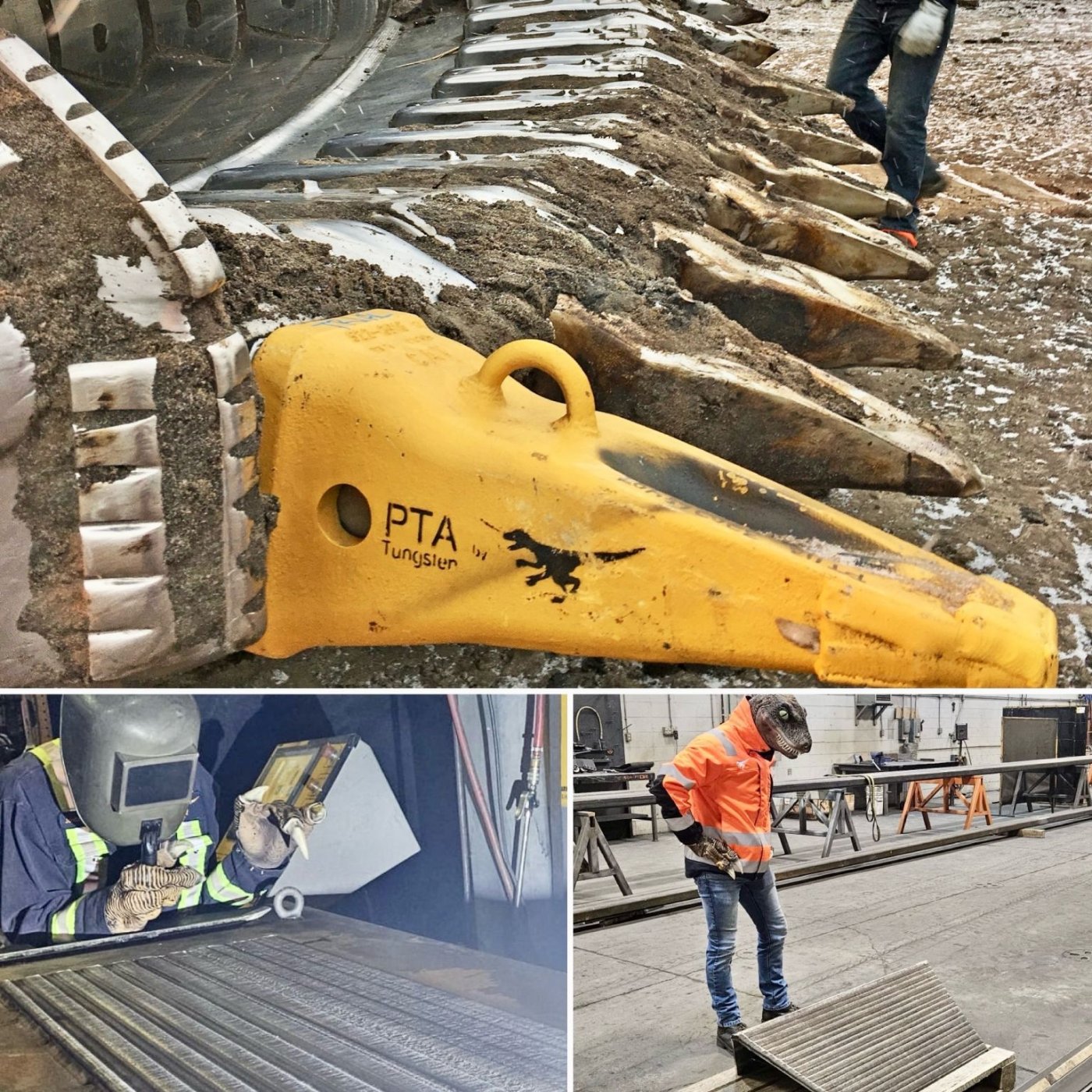
One of our customers ran a CCO RaptorPlate® liner package on a dozer blade for five years across four different applications in the Yukon: hard rock at a copper mine, placer gravel near Dawson City, construction dozing around Whitehorse, and road work at a gold mine. The customer's verdict was "Nothing sticks!" because material slid off the blade face instead of packing on it. Read the full story in our Yukon case study, or see how the same approach applies to your blade in our dozer blade liner kit post.
Questions to ask before you approve a remote relining job
PEOPLE. SAFETY. QUALITY. VELOCITY.