A truck body or a chute does not wear evenly. One corner gets hammered, one panel polishes slowly, and the rest sits somewhere in between. Lining the whole thing with the same plate is the easy answer and usually the expensive one. The better answer starts with a map of where the wear actually is.
Where a truck body wears, zone by zone
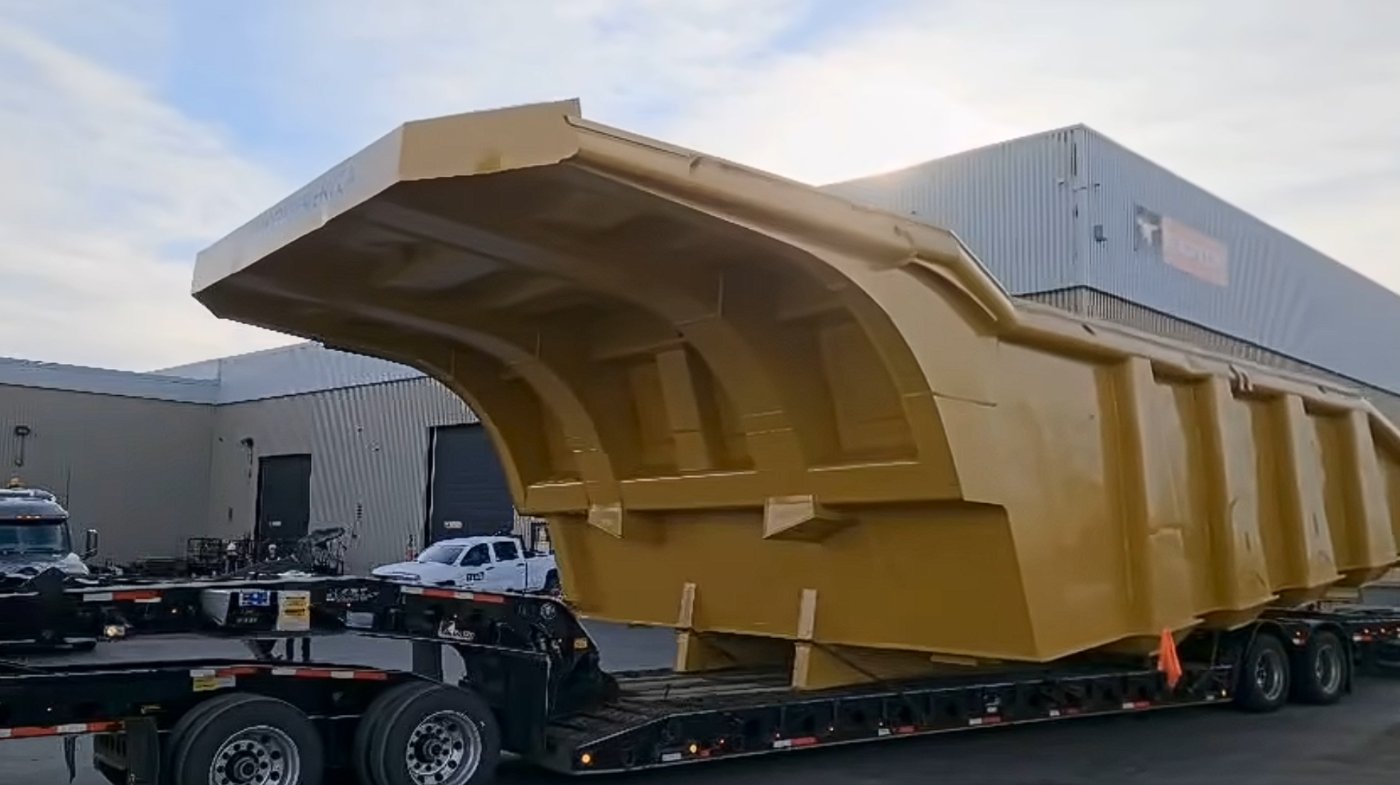
The floor under the loading point takes the hardest hit. Loads drop onto it from a shovel, loader or chute, and the same patch gets struck again and again. That zone is an impact problem first and a sliding problem second.
The rest of the floor, the sides and the tail mostly see material sliding and scouring as the body fills, hauls and dumps. The tail is usually the worst of these because the whole load drags across it on the way out. The front wall and canopy see less contact and often need less protection, which is where a lot of money gets wasted.
Chutes and hoppers follow the same logic
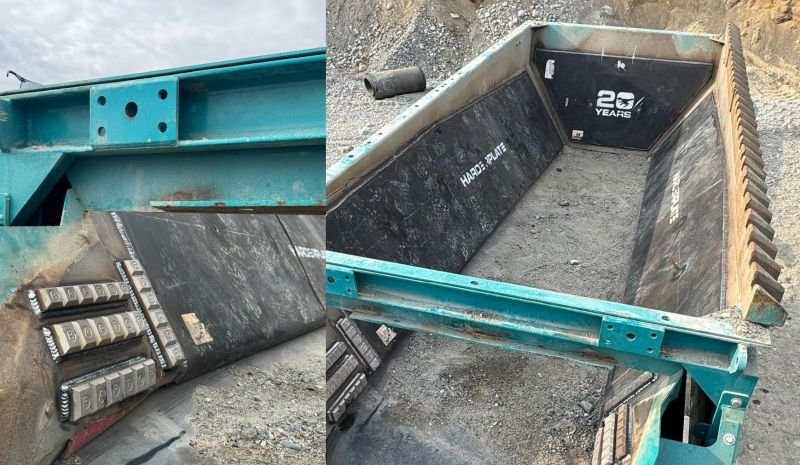
A chute has a feed point where material lands and a sliding face where it runs out. The feed point takes the impact. The face takes the abrasion. Hoppers split the same way, with the drop zone on one side and the sloped walls on the other. Crusher feed and discharge areas add one more twist: material can be large, angular and moving fast. If your chute is underground, start with our guide to underground chute liners.
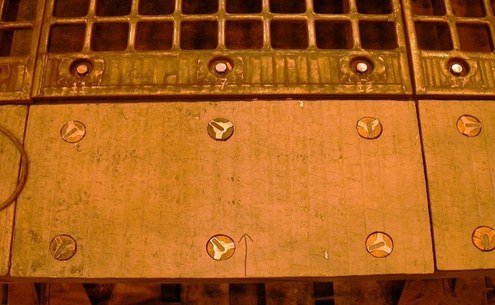
Fixed plant liners also have to fit. A chute that has been patched and welded for years rarely matches the drawing, which is why we laser scan fixed plant chutes, crushers and hoppers and make the liner to the real surface.
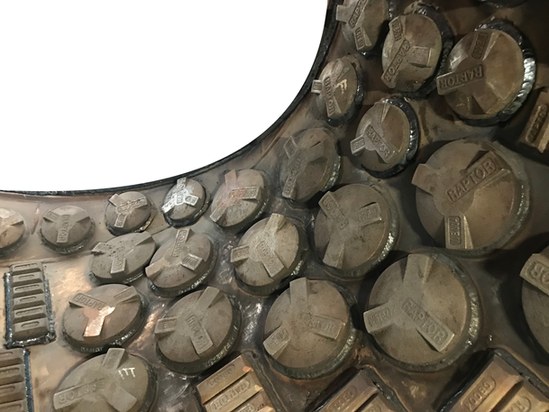
Layout matters as much as material. On a block liner, material packs into the gaps between the blocks and wears against itself instead of wearing the liner underneath. That is why a block layout on a chute wall can outlast flat plate in the right application, and why we look at how the material lands before we pick between plate and blocks.
Matching the liner to the zone
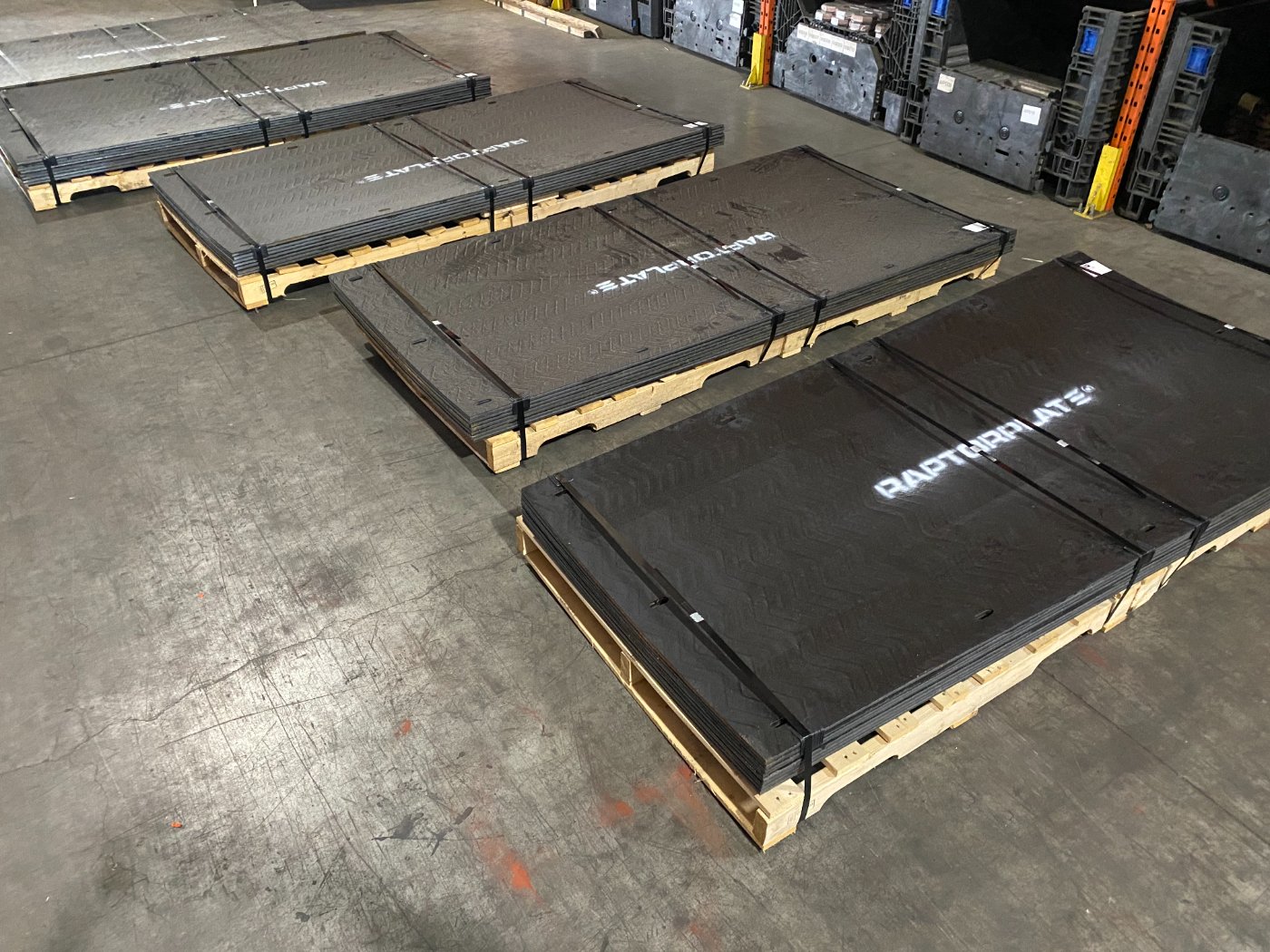
Chromium carbide overlay plate such as RaptorPlate® goes where material slides. Hardened AR plate such as HarderPlate® goes where material lands. Chrome white iron liners and wear blocks suit severe abrasion zones in fixed plant. Our AR plate vs chromium carbide overlay guide covers the reasoning behind that split in more detail.
A common layout on a truck body is a harder, tougher AR plate under the loading point, overlay plate across the floor and tail where the sliding is steady, and lighter protection on the walls that see the least contact.
Liner options at a glance
| Liner | Best for | Watch for |
|---|---|---|
| AR steel plate (HarderPlate®) | Impact zones and loading points | Wears faster than carbide under pure sliding |
| Chromium carbide overlay (RaptorPlate®) | Sliding abrasion on floors, tails, chute faces | Not the first choice under heavy repeated impact |
| Chrome white iron and wear blocks | Severe abrasion in fixed plant chutes and hoppers | Needs good fit and fixing, brittle under heavy impact |
| Mixed layout | Most truck bodies and chutes | Needs a wear map so each plate lands in the right zone |
Weight, carryback and the trade-offs nobody puts on the quote
Every liner adds weight, and on a haul truck weight comes out of payload. A heavier liner can cost you more in lost tonnes per load than it saves in plate. Going lighter has its own problem: some liner shapes trap material, and what does not leave the box on the dump is carryback, which also eats payload and adds cycle time.
That is why we ask what you haul before we recommend a liner. Dry, abrasive rock and wet, sticky material pull the answer in different directions, and the right plate for one is not the right plate for the other. This is the kind of call that lets a site GSD® without a surprise at the next shutdown.
Signs it is time to reline
Look for thinning plate at the loading point, gouges or cracks where the load lands, and bright worn-through patches on the floor or tail. Weld repairs that keep coming back in the same spot are a message too. Catch it early and the job is a planned liner swap. Catch it late and the plate underneath, or the body itself, is next.
Send a photo of the worn area and the machine details and we will tell you what we see.
Truck body and chute liner questions we hear most
PEOPLE. SAFETY. QUALITY. VELOCITY.