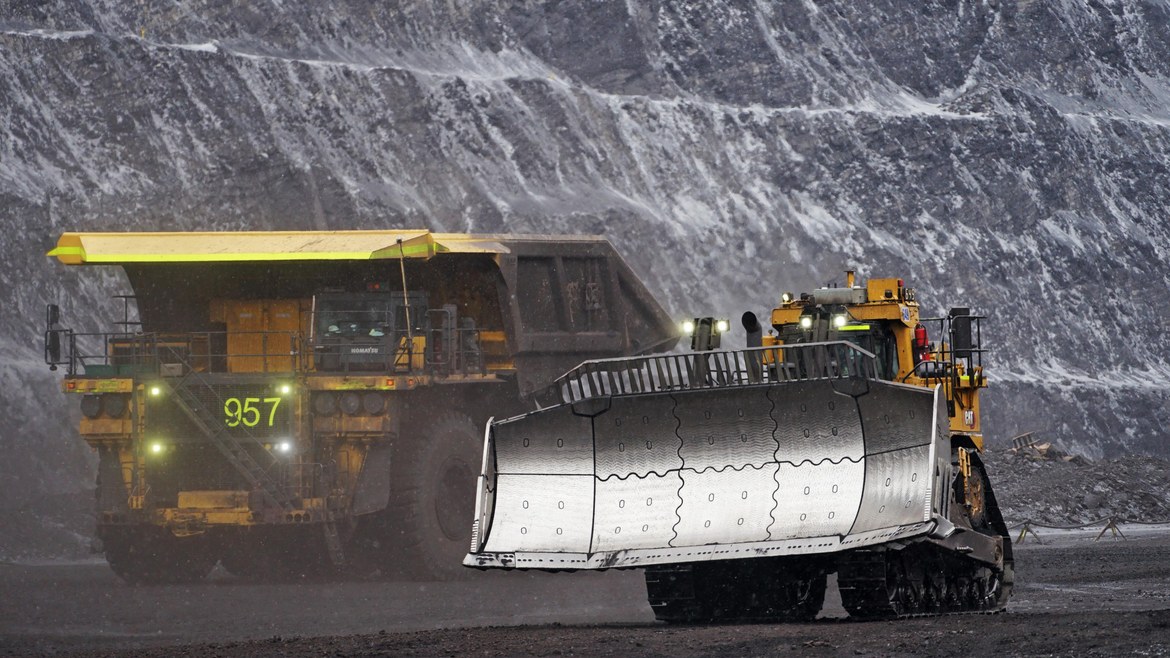
A dozer blade does not wear out all at once. The cutting edge and end bits go first, the face polishes down next, and the frog and side cheeks quietly lose metal in places nobody looks at until a shutdown. The expensive mistake is running the blade past the point where wear is a simple swap and into structure that needs real repair. The better answer starts with knowing where your blade loses metal and checking those spots on a schedule.
Where a dozer blade wears, zone by zone
The cutting edge and end bits take the hardest and most constant punishment because they meet the material first on every pass. They are also the cheapest part of the blade to replace, which is why they should be changed on a schedule and not run to failure.
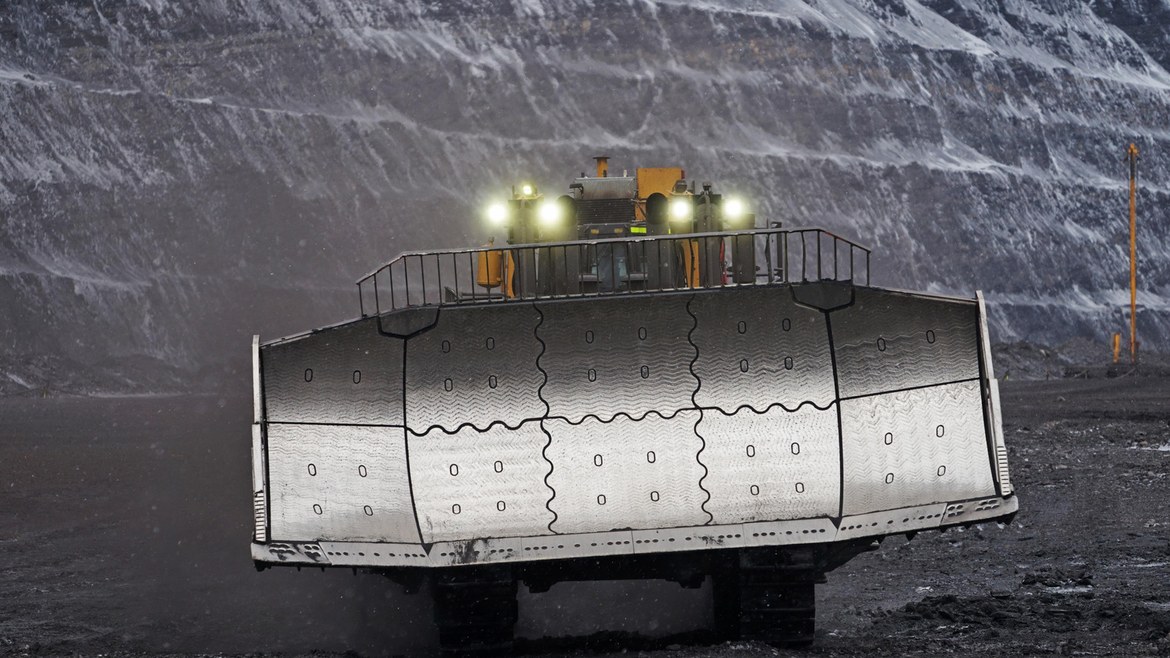
Behind them, the face of the moldboard sees material sliding up and across it as the load rolls. That is steady sliding abrasion, and it thins the plate until the face polishes bright. The side cheeks wear where material spills off the edge and grinds along the sides. The frog and the gussets under it collect scour from the underside of the blade and from rock packing in beneath it. Those underside areas are the easiest to miss on a walkaround, and they are the ones that surprise people.
Signs it is time to repair, reline or replace
The deciding factor is what is left. If the structure is sound and the wear surface is going, a swap or a reline brings the blade back. If it has cracked at a stress point, the fix is repair plus reinforcement at that spot. If the moldboard is fatigued or bent past saving, replacement is the honest answer.
| What you see | What it usually means | Typical move |
|---|---|---|
| Cutting edge and end bits worn close to the moldboard | The edges have done their job | Replace the edges now, before the blade itself starts wearing |
| Face bright and polished, plate visibly thinner | Wear surface is going, structure is sound | Reline the face |
| Plate worn through in patches, fasteners or plug welds exposed | The liner is past its limit | Reline now, or expect wear into the structure |
| Cracks at the lift cylinder mount, frog or stiffener areas | Fatigue at a known stress point | Repair and reinforce |
| Moldboard bent, torn or cracked in several places | Structure past saving | Replace the blade |
Every blade is different, so treat the table as a starting point and not a verdict. Photos of the face, the underside and the cutting edge are usually enough for a straight answer. For the wider decision across all your mobile equipment, see our guide on repair, rebuild or replace.
Keep the cutting edge and end bits on a schedule
Cutting edges and end bits are ground engaging tools, the same family as bucket teeth, and they follow the same rule: change them before wear reaches the part they protect. Once an edge is gone, the bottom of the moldboard starts taking the hits, and that is a far bigger job than a bolt-on swap. Our guide to ground engaging tools and when to replace them covers the thinking in more detail. Change the bolts and hardware with the edge, not after it.
Pick a handful of spots, measure them the same way every time and write the numbers down. Wear rate depends on the material, the push distance and how the machine is run, so the interval has to come from your own measurements and not from a generic hours chart. Photos from the same angle at each inspection make the trend easy to see.
Reline, rebuild or replace the blade
Relining makes sense when the structure is sound and the face is thin. The worn wear surface comes off, the blade is checked for cracks, and a new liner goes on. Where the job allows it, we laser scan the blade first so the liner is fabricated to the blade as it sits today and not to a drawing from years ago. Not every job can be scanned, and we say so up front.
Replacing the whole blade becomes the better call when the moldboard is deformed, cracked in several places, or has been repaired so many times that the repairs are now the weak points. A new blade resets the clock, and the right wear package for your material can change how the blade wears for good.
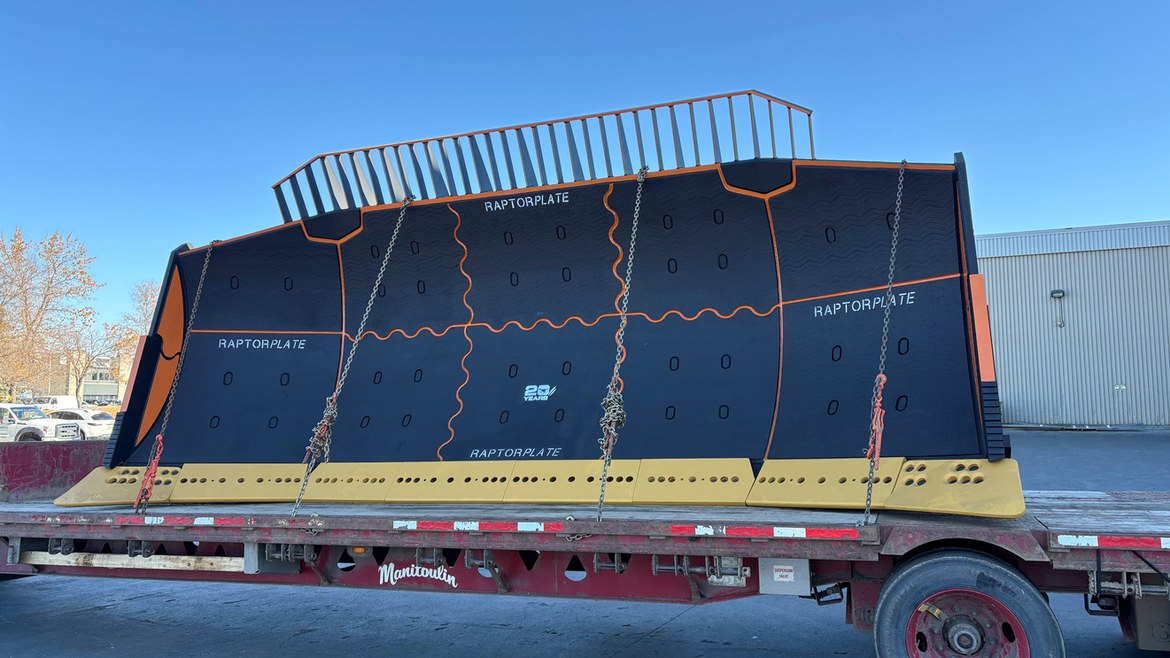
What a full wear package looks like on a D11 blade
Here is a full wear package on a Raptor semi-U blade made for the Caterpillar D11 family. The face is lined with chromium carbide overlay RaptorPlate® in a segmented S pattern. Chocky bars protect the high wear and impact areas. Hardfacing goes on the front leading edge, the bottom half of the lower side cheek, the entire bottom edge of the frog and every gusset under the frog edge, so the underside areas that usually go unnoticed are covered from day one.
The blade fits directly to the existing OEM push arm and trunnion arrangement and ships assembled with its hardware, ready to install. It is aimed at high abrasion dozing in coal, oil sands, overburden and stockpile work.
Shop prep decides how fast the swap goes
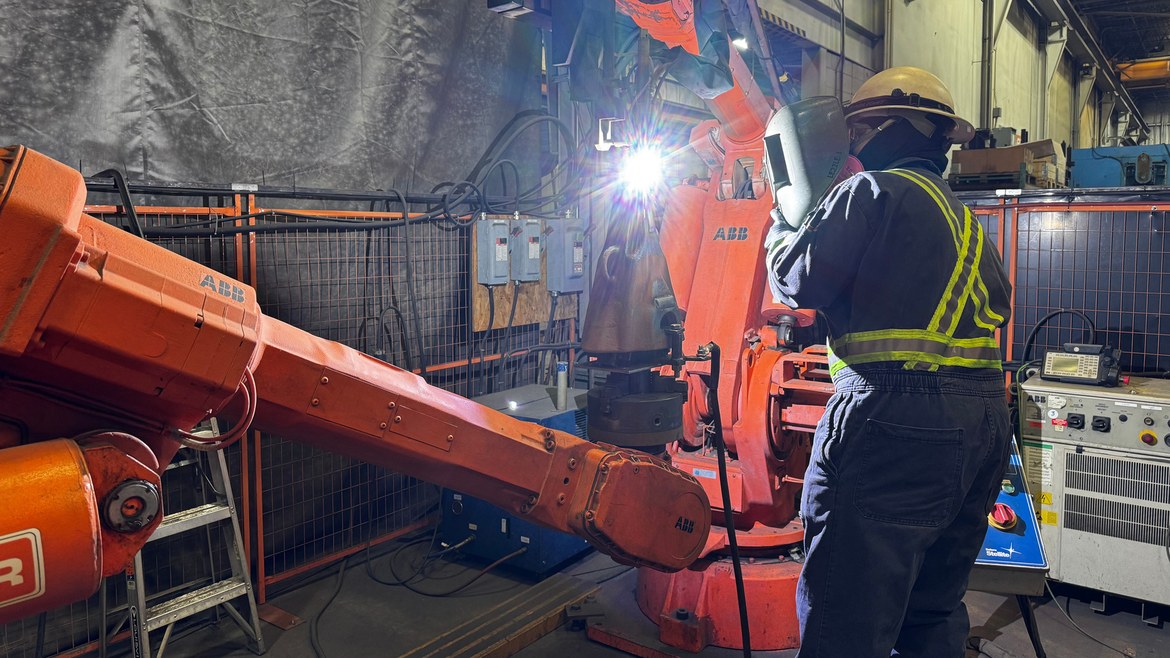
Raptor uses robotic and certified manual welding on wear packages, with extra attention at the critical stress points. Shop work is where a short swap is won, because a liner that arrives formed, checked and ready goes on faster and the weld quality is easier to control. Our post on cutting wear-related downtime at a mine site walks through how to measure, forecast and stage a blade job so it lands in a shutdown you already have.
Working on the rest of the dozer? The track frame rotisserie tool for D8 to D11 dozers covers the safer way to rebuild the undercarriage side.
Dozer blade questions we hear most
Catch the wear early and a dozer blade job stays a planned shift, the kind of work a crew can GSD® before lunch.
PEOPLE. SAFETY. QUALITY. VELOCITY.