Wear plate rarely fails because it was a bad plate. It fails because it was the right plate for the wrong kind of wear. The worn surface in front of you already tells you which kind you have, and reading it takes a few minutes before you order anything.
Why does the wear pattern matter before you order plate?
Material wears a surface in two main ways, and a plate that suits one often struggles with the other. Order for sliding abrasion where the damage is really impact, and the plate cracks. Order for impact where the damage is really sliding, and it grinds away early. Looking first is the cheapest step in the whole job.
How do you tell sliding abrasion from impact?
| What you see | Wear type | What it tells you |
|---|---|---|
| A scoured, polished surface with grooves running along the flow | Sliding abrasion | Material is grinding across the surface under load. This is the main wear on most liners. |
| Dents, chipped spots or cracks | Impact | Material is striking the surface, often in the same place every cycle. |
| A bright, polished patch where the stream lands | Impact with abrasion | The landing zone takes the hit and then the slide. It usually thins first. |
| Thinning that is even across the surface | Sliding abrasion | The wear layer is going evenly, so you can plan the replacement around it. |
| Plates with lifted corners or cracked welds | Impact | Repeated hits are working the plate loose, and a loose plate wears faster. |
| Backing steel showing through | Either | The wear layer is gone. Reline before the structure takes the damage. |
Where does each wear type usually show up?
Every machine wears differently, but the pattern repeats. Floors and faces that material slides across wear by abrasion. Spots where material drops or strikes wear by impact.
| Machine | Usually sliding abrasion | Usually impact |
|---|---|---|
| Chute or hopper | Floors and walls the material slides along | The landing zone under the drop |
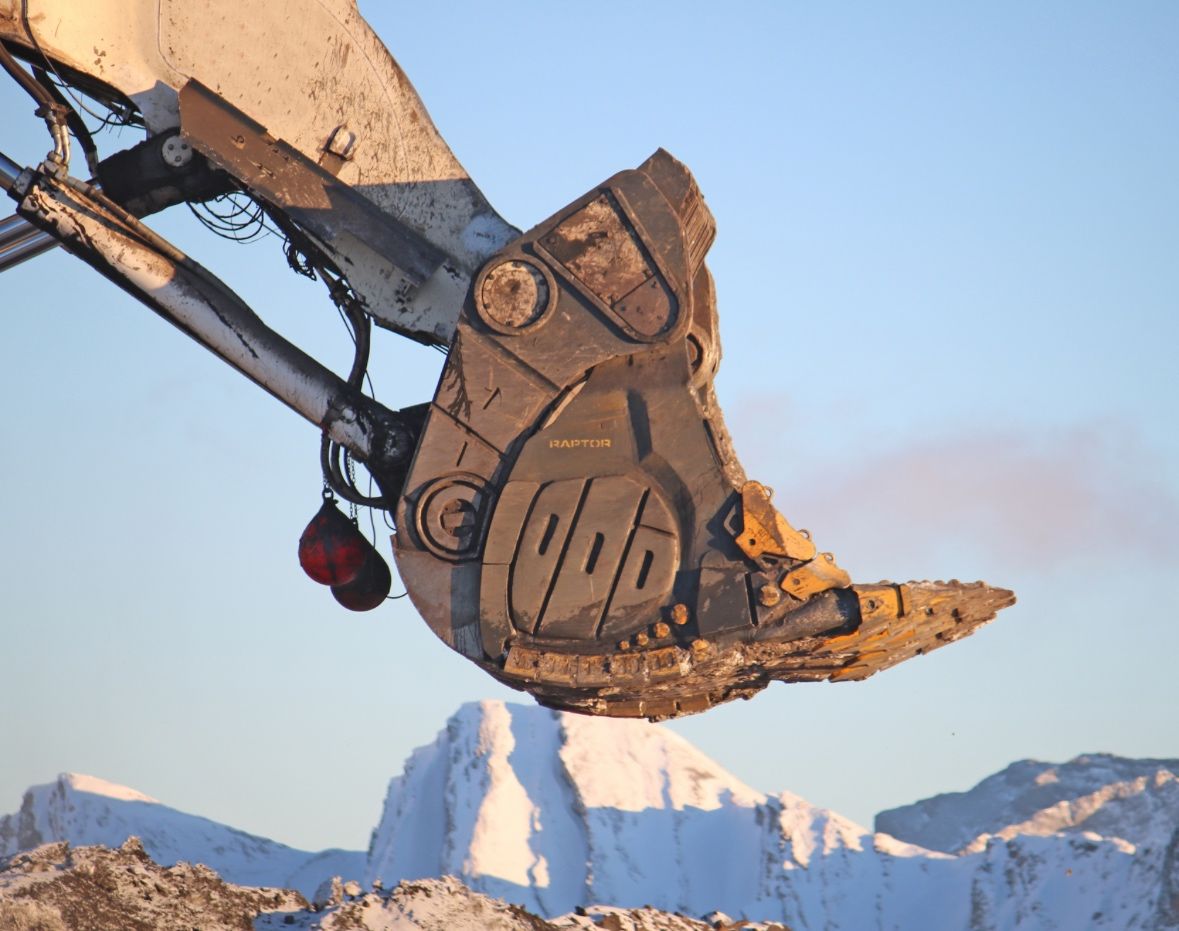
| Bucket or dipper | Bucket floors | Dipper liners and the areas that take the hit |
| Dozer blade | Faces the material rides across | Blade edges |
| Truck body | Sliding faces along the floor | Impact areas where the load lands |
What if you see both?
Most machines do, in different zones. A dozer blade, a loader bucket and a dipper all tend to need one kind of plate on the abrasion zones and another on the impact zones. A mixed kit does exactly that. For how the plates compare once you know what you are looking at, read AR plate vs chromium carbide overlay and which wear plate suits which wear.
How should you photograph the wear?
A few good photos do more than a long description. Take one wide shot of the whole machine or chute so the zones are clear. Take one close up of the worst spot. Take another of any crack or dent, and a straight-on shot of grooves running along the flow. Put a tape measure or a hand in the frame so the size is obvious. You do not need drawings. Photos and rough measurements are enough to start, and the full list of what helps a supplier quote is in what a wear plate supplier needs to quote your job.
When is the part past adding plate?
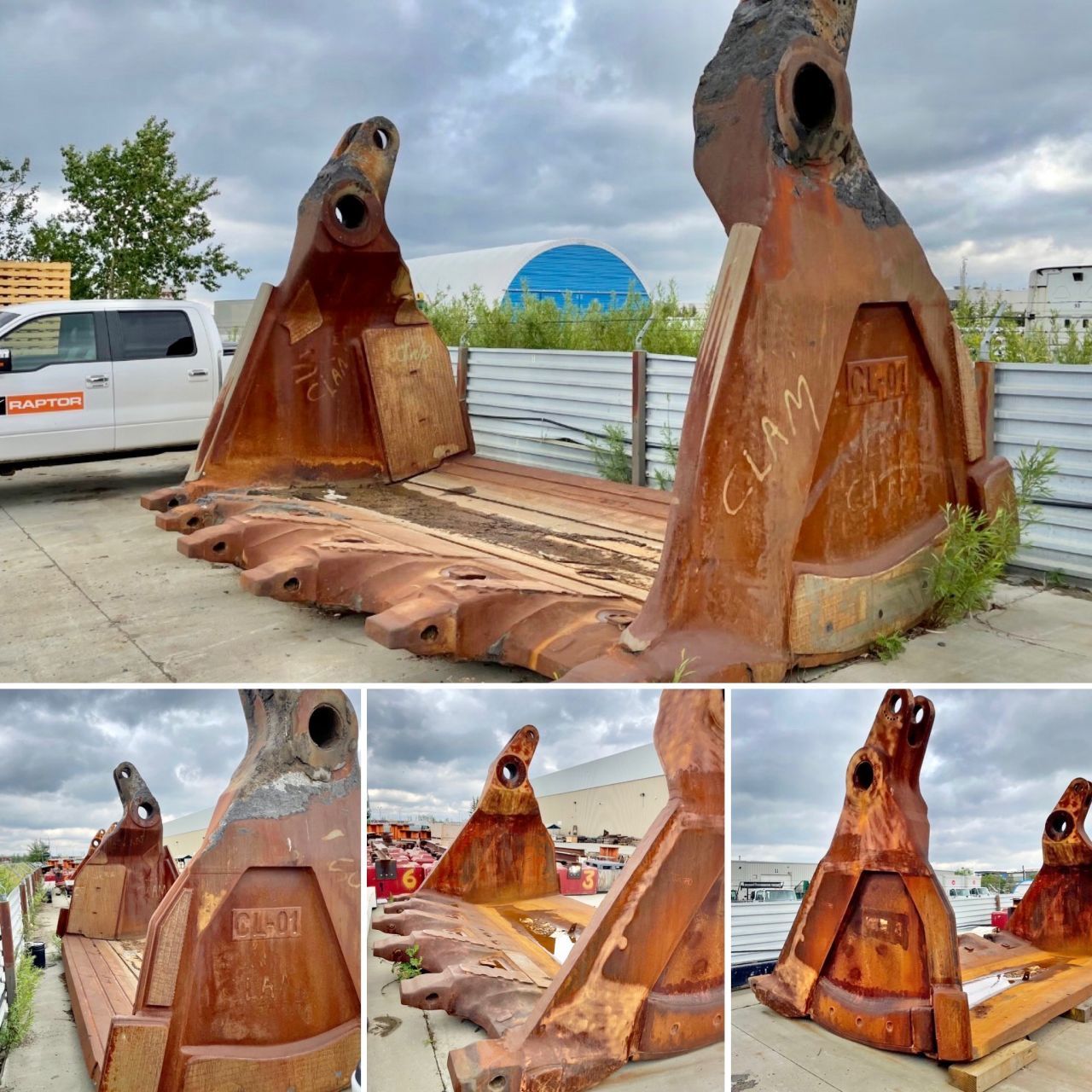
If the part itself is cracked or deformed, more plate may not be the answer, and replacing the part can be the better call. If that is what your photos show, Raptor will say so rather than quote you plate you do not need.
Reading wear before you order, answered
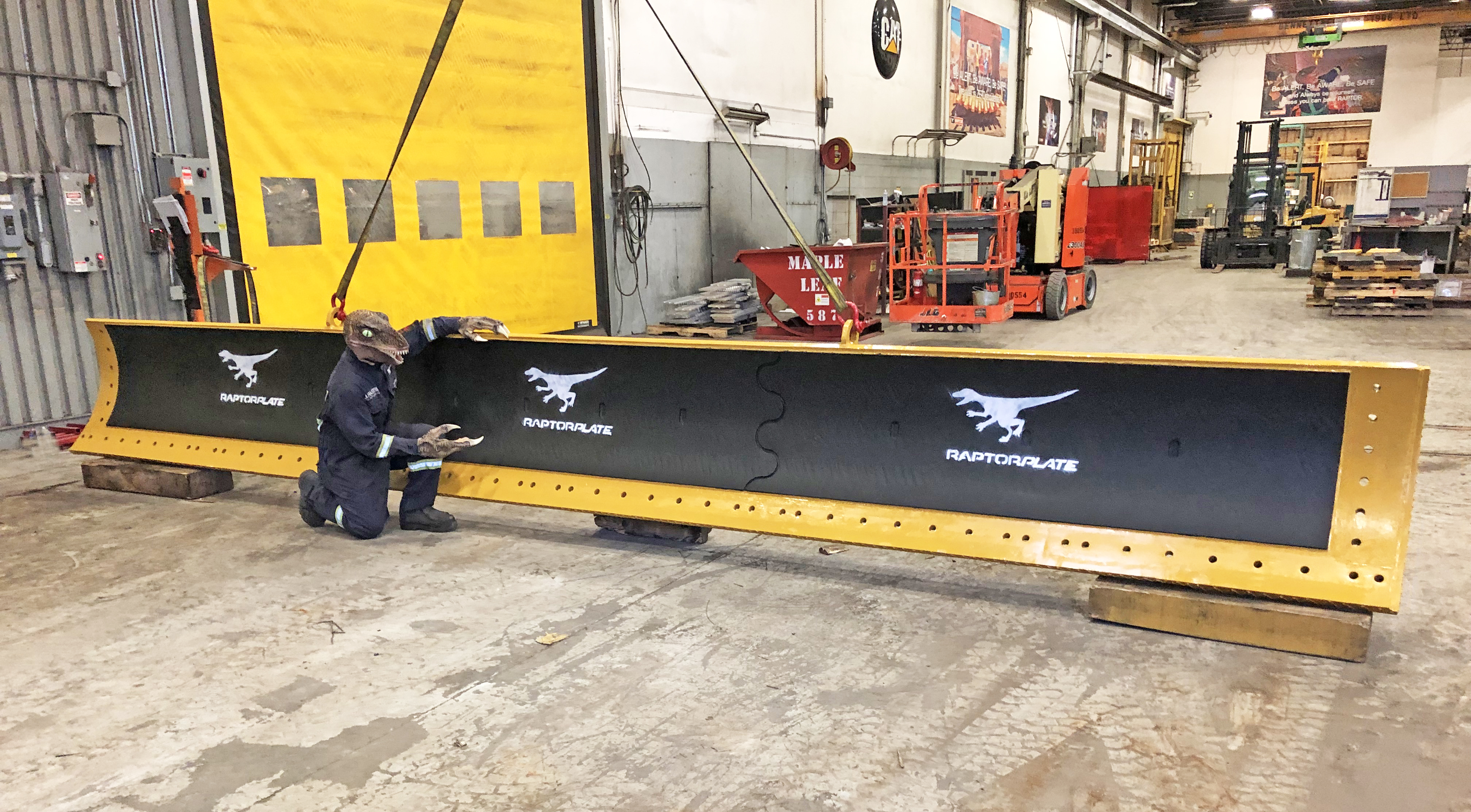
A plate matched to the wear stays on the machine longer, and a machine that stays running is a machine that gets to GSD® instead of waiting on the next shutdown.
PEOPLE. SAFETY. QUALITY. VELOCITY.