A wear plate quote stalls for one reason more than any other: the supplier has to guess. Send the right details up front and you get an answer instead of a string of follow up questions. Here is what we need to quote your job, and why each piece matters.
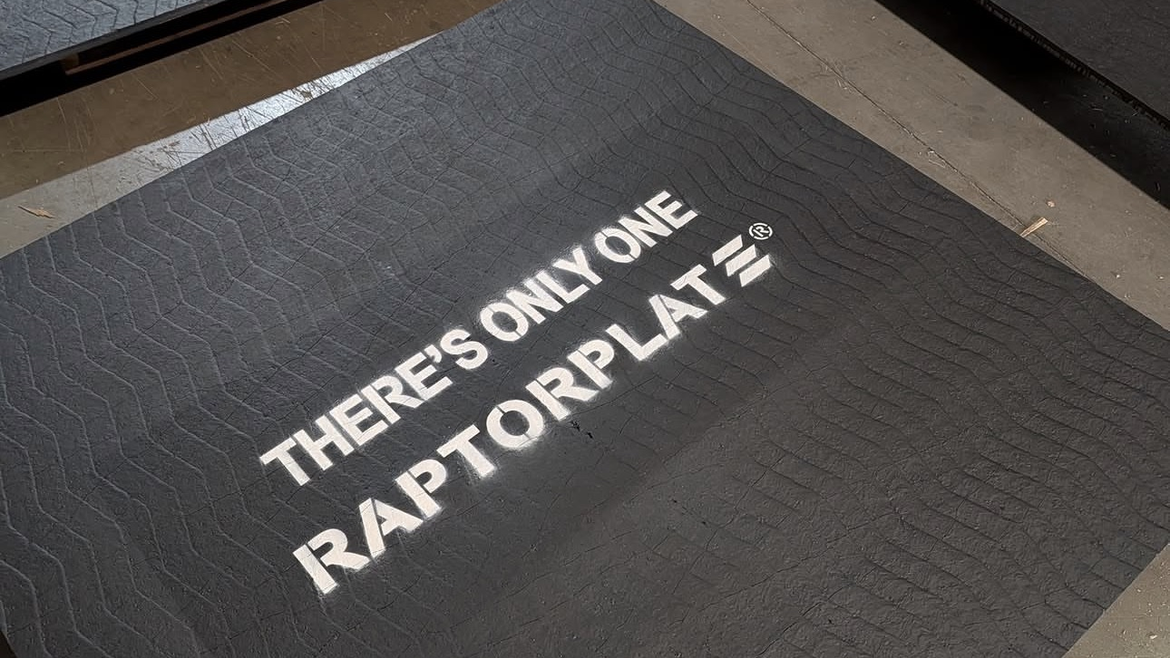
What does a wear plate supplier need to quote your job?
| Send this | Why it matters |
|---|---|
| The application | A chute, hopper, bucket, liner or dozer blade each wear differently, so the first question is always where the plate goes. |
| The material | Rock, sand, concrete, coal or ore. What moves across the plate decides whether abrasion or impact does the damage. |
| The machine or structure | The equipment model or a drawing of the structure lets us match the plate to the surface it covers. |
| Rough dimensions | The size of each area to cover tells us whether you need full sheets, strips or wear patches. |
| Photos of the current wear | Worn plate shows where the damage sits and how fast it is happening. |
| Quantity and timing | The number of pieces and your shutdown or delivery date shape what we recommend and how we plan it. |
| Where it ships | The site and city let us plan delivery and tell you what is stocked close to you. |
Do you need drawings to get a quote?
No. Drawings help, but a few photos and rough measurements are enough to start. If you do not have either, tell us what the machine is and where the wear shows up and we will tell you what else we need. We would rather start the conversation with what you have than have you hold a request until the paperwork is perfect.
What if the plate has to fit exactly?
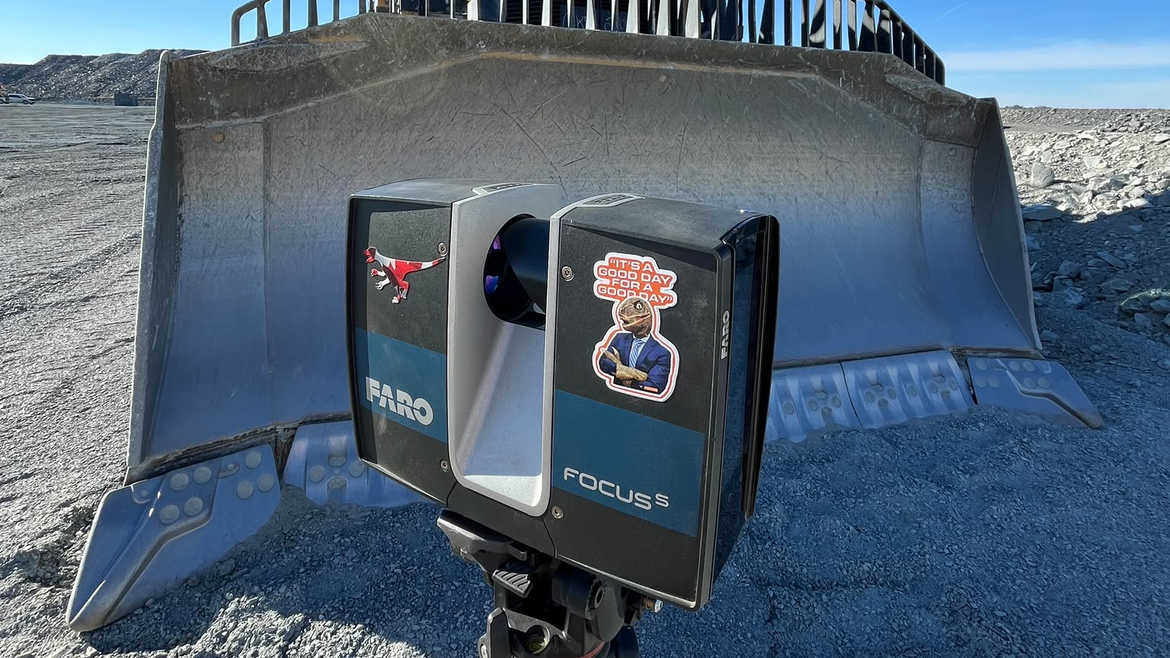
Plates that do not match your equipment leave gaps, wear unevenly and need extra fabrication on site. Raptor laser scans equipment at our CISC (Continuous Improvement Service Center) locations or on your site, and our engineers produce the liner kit from that scan before it leaves the shop. Not every job can be scanned, so describe the machine and we will work out the best way to size it. Learn more about laser scanning
What if you are not sure which plate you need?
Say so. Chromium carbide overlay (CCO) is made for sliding abrasion, and HarderPlate® AR plate is made for heavy impact. Many machines see both, and a dozer blade is the usual example, so we supply a mixed kit with RaptorPlate® where material slides and HarderPlate® where it takes the hit. Tell us what the plate is up against and we will point you to the right one. AR plate vs chromium carbide overlay
What can you order once the quote is done?
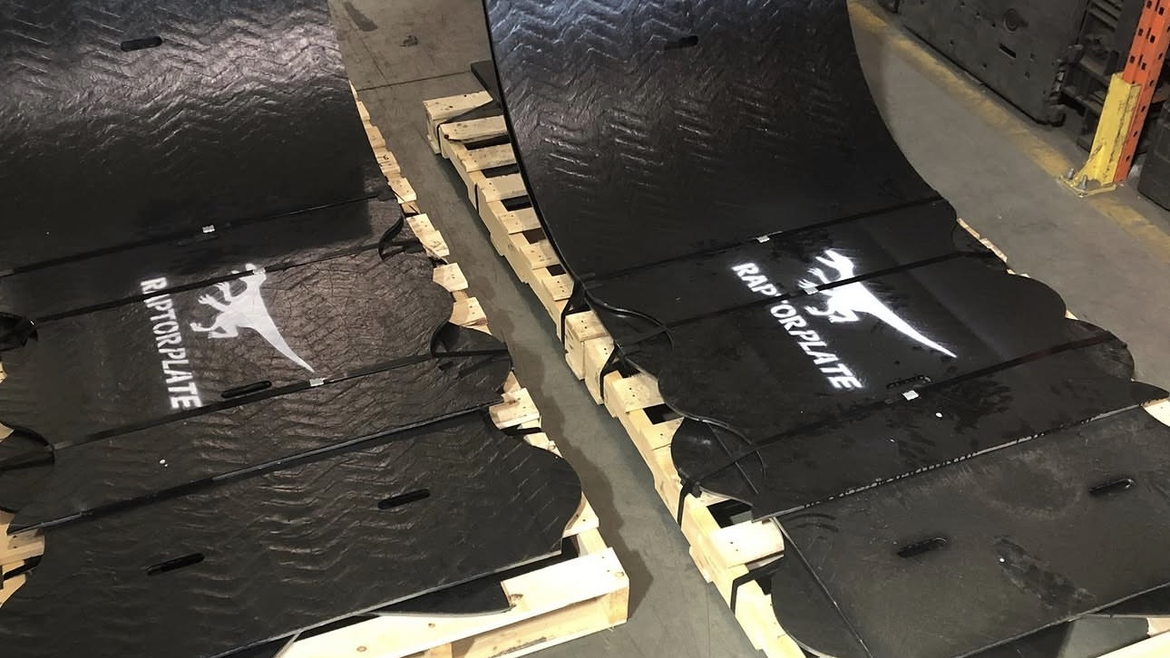
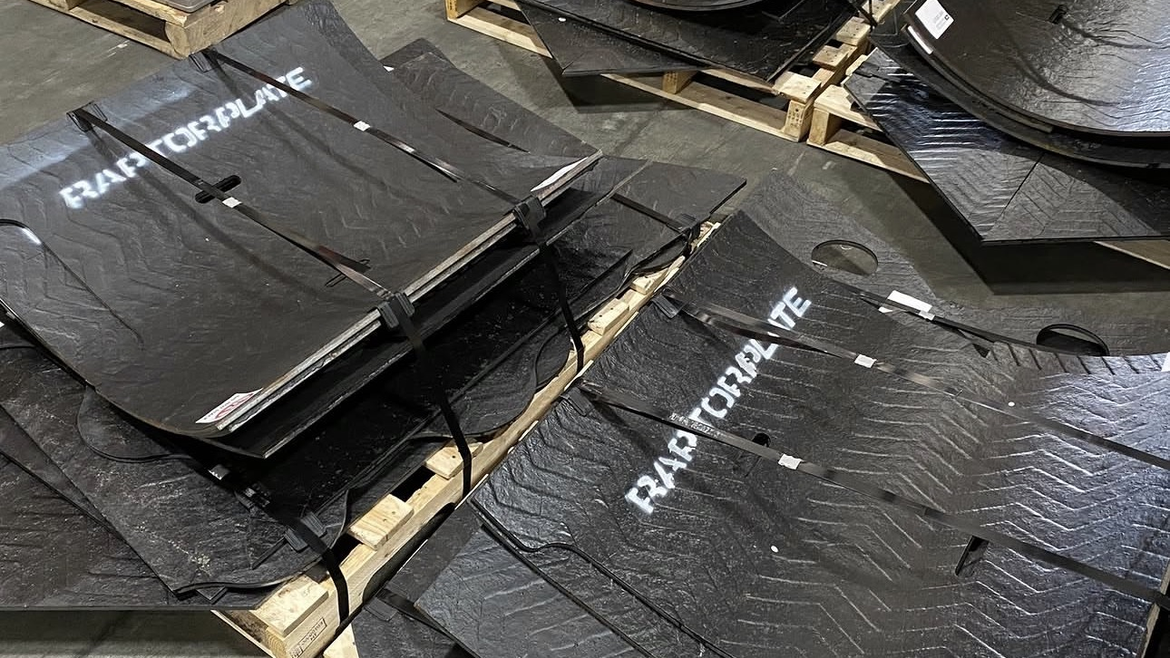
RaptorPlate® is stocked in Canada and sold whole or cut to order, as full sheets, strips and wear patches, with custom sizes on request. That means the plate in your quote is not waiting on a mill. If you are comparing suppliers on more than the quote itself, here is what else to ask. CCO plate in Canada: how to choose a supplier
Will they help you install it?
CCO is welded on, and the method depends on the application, whether that is a full perimeter weld or plug welds. Follow the step by step welding procedure
Wear plate quotes, answered
A quote that gets the correct plate the first time is one less thing standing between your crew and the work. Send what you have and we will help you GSD® without the back and forth.
PEOPLE. SAFETY. QUALITY. VELOCITY.